
CFD vs Futures Trading Analysis with Exness
Compare CFD and futures trading options with Exness platform in Hong Kong. Access advanced tools, competitive spreads, and professional execution.
💡 Related trading comparison guides:
- CFD Risk Management Guide
- CFD Hedging Strategy
- CFD Stop Loss Guide
- Advanced Forex Trading Strategy
- Open a Free Exness Demo Account
Understanding CFD and Futures Trading Fundamentals
Contract for Difference (CFD) and futures contracts represent distinct derivatives available on our Exness platform in Hong Kong. CFDs enable traders to speculate on price changes without owning the underlying assets. Futures contracts involve binding agreements to buy or sell assets at preset prices on specific future dates. Our platform supports both instruments, offering advanced execution technologies and competitive pricing.
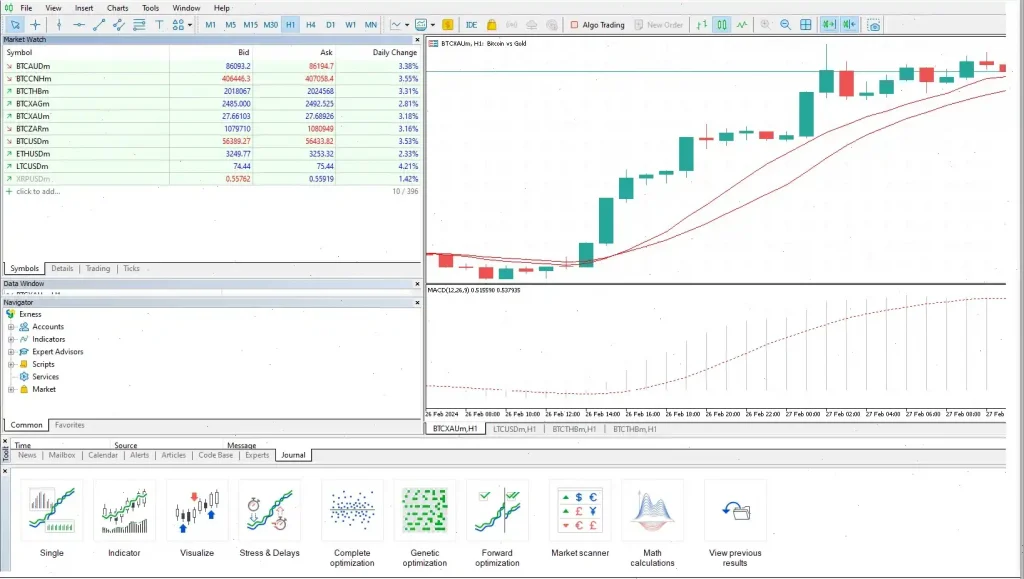
The primary difference lies in contract details and settlement methods. CFDs are over-the-counter (OTC) products with flexible sizes. Futures trade on regulated exchanges, featuring standardized contract sizes and expiry dates. Traders access these via MetaTrader 4, MetaTrader 5, or our proprietary terminal, ensuring smooth execution for both types.
Contract Structure Differences
CFDs are bilateral agreements between traders and our company, avoiding exchange fees and intermediaries. Position sizes start from micro-lots, adaptable to account equity. We offer CFDs on forex pairs, commodities, indices, and stocks with leverage up to 1:2000 for professional clients.
Futures contracts have fixed quantities and expiration dates dictated by exchanges like CME, CBOT, and NYMEX. For example, currency futures typically represent 100,000 units, while crude oil futures cover 1,000 barrels. Our technology connects clients directly to these exchanges for precise execution.
| Feature | CFDs | Futures |
|---|---|---|
| Contract Size | Flexible (from 0.01 lots) | Standardized (exchange-defined) |
| Expiration | No expiry | Fixed expiration dates |
| Trading Hours | 24/5 forex, extended for others | Exchange-specific hours |
| Margin Requirements | Variable by instrument | Exchange-mandated margins |
| Settlement | Cash settlement only | Physical or cash settlement |
Trading Costs and Fee Structures
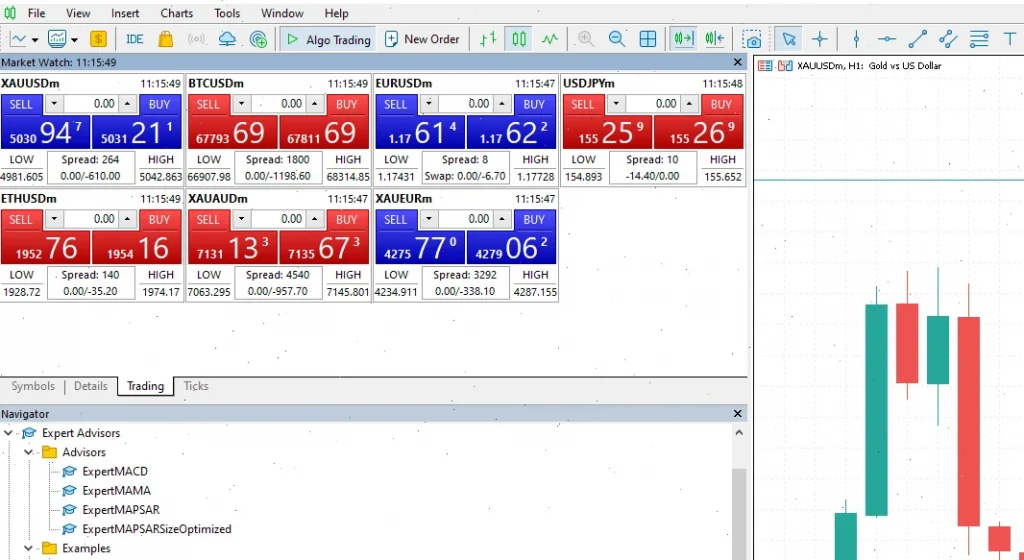
Our CFD cost model includes spreads, swap charges for overnight positions, and commissions depending on account type. Standard accounts use spread-only pricing. Pro and Raw Spread accounts combine tighter spreads with fixed commissions. Swap fees are based on interbank rates plus our markup and vary by position direction and currency pairs.
Futures trading costs differ, incorporating exchange and clearing fees plus brokerage commissions. These fees are fixed per contract and transparent, unlike CFD spreads that vary with market conditions. Our client portal and platforms provide detailed cost breakdowns for all instruments.
Spread and Commission Analysis
CFD spreads fluctuate by asset class and market dynamics. Major forex pairs on Raw Spread accounts start at 0.1 pips. Stock CFDs have spreads beginning at 0.02% of share price. Commodities like gold and crude oil show spreads from 2 to 5 pips respectively during regular sessions.
Pro and Raw Spread accounts apply commissions: $3.50 per lot round-turn for forex CFDs and 0.02% (minimum $2) per side for stock CFDs. Index CFDs remain commission-free with only spread charges. These transparent fees allow accurate cost planning for traders.
Overnight Financing Considerations
CFD positions held overnight incur swap rates depending on interest rate differentials between base and quote currencies. Our platform calculates swaps using interbank rates plus markups, ranging approximately from -8% to +3% annually. Swap details are available within our platform and website.
Futures contracts do not have overnight financing costs as they represent future delivery obligations. However, margin requirements may adjust near contract expiry or due to exchange risk policies. We provide real-time margin updates and notify clients promptly.
Leverage and Margin Requirements
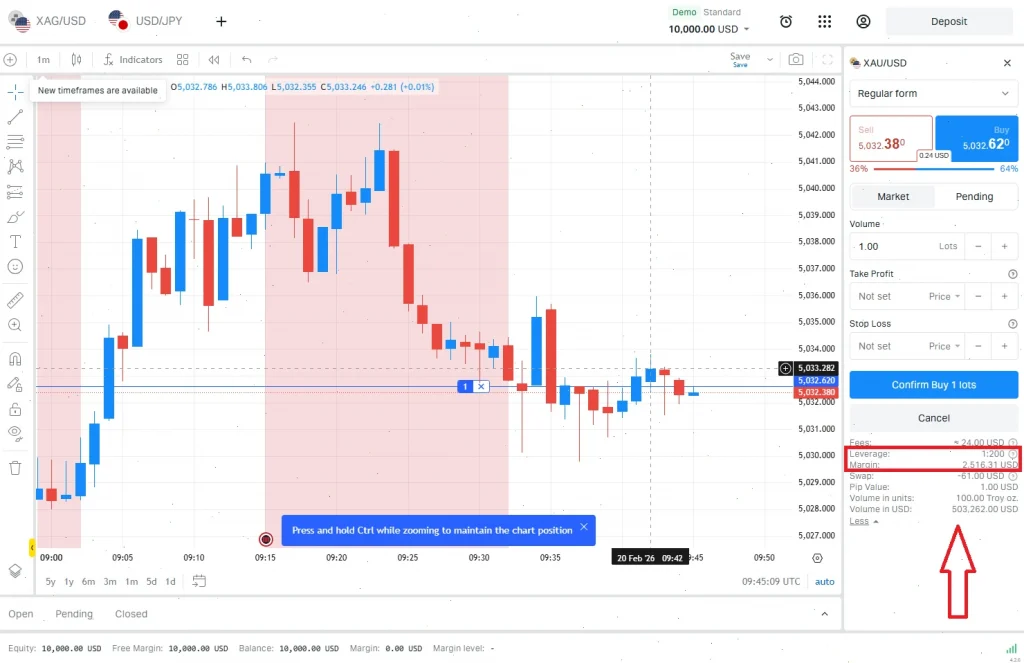
Exness offers leverage up to 1:2000 for professional clients and 1:30 for retail traders in Hong Kong. Margin requirements depend on the instrument, with forex majors needing as low as 0.05% margin for professionals and 3.33% for retail accounts. This flexibility supports diverse risk profiles and trading styles.
Futures margin follows exchange rules with initial and maintenance margins typically between 3% and 15% of contract value. Our platform calculates margins in real-time and triggers automated margin calls to maintain compliance.
- Forex majors: Up to 1:2000 (professional), 1:30 (retail)
- Forex minors/exotics: Up to 1:1000 (professional), 1:20 (retail)
- Stock indices: Up to 1:500 (professional), 1:20 (retail)
- Individual stocks: Up to 1:20 (professional), 1:5 (retail)
- Commodities: Up to 1:500 (professional), 1:20 (retail)
- Cryptocurrencies: Up to 1:100 (professional), 1:2 (retail)
Margin Call Procedures
Our system continuously monitors account equity during trading hours. Margin calls activate when equity drops below 60% of margin requirements, triggering notifications by email, SMS, and platform alerts. If equity reaches 20%, automatic position closure begins, prioritizing largest losses to maintain account health.
Market Access and Trading Hours
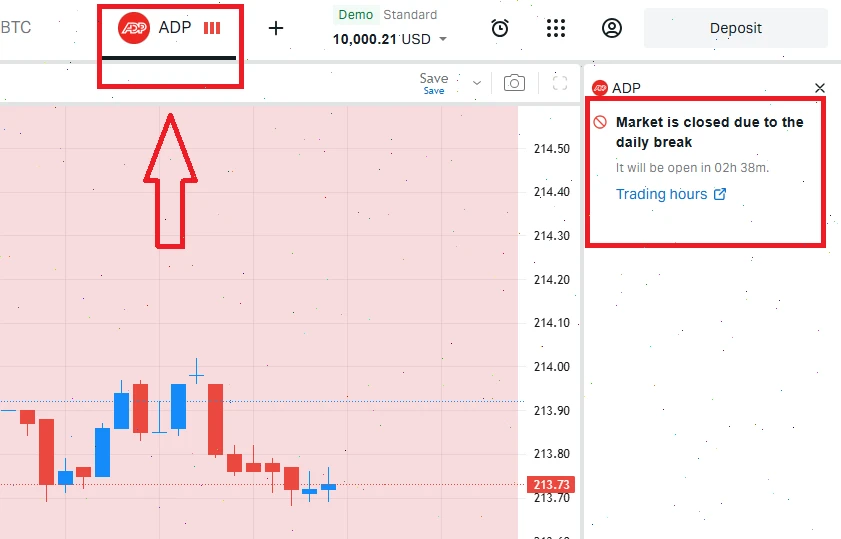
CFD trading offers near-constant availability. Forex markets operate from Sunday 21:05 to Friday 21:00 GMT, corresponding to Hong Kong time zones. Stock CFDs align with underlying market hours plus extended sessions. Commodity CFDs trade throughout the day with short daily maintenance breaks. Our servers guarantee 99.9% uptime for uninterrupted access.
Futures trading adheres to exchange schedules. Currency futures trade almost 24 hours via CME Globex, while commodity futures follow specific exchange hours. Comprehensive trading schedules are accessible on our platform and website.
Platform Integration Features
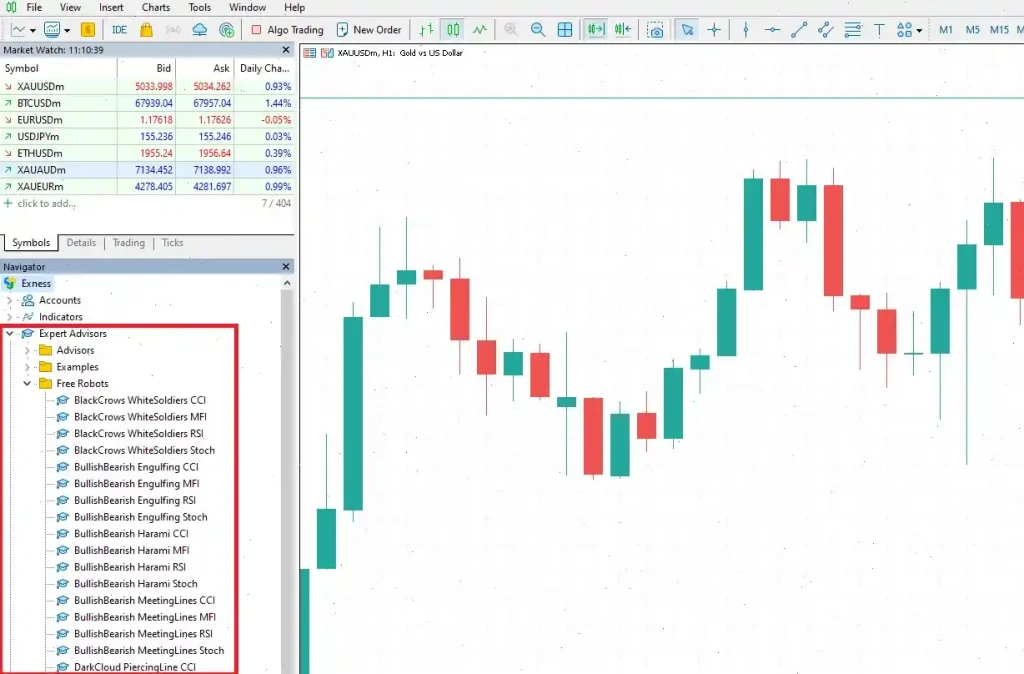
MetaTrader 4 and MetaTrader 5 support both CFDs and futures, equipped with advanced charts, indicators, and automated trading (Expert Advisors). Our proprietary Exness Terminal enhances order management with one-click trading, customizable stop-loss orders, and real-time profit/loss updates. Mobile apps deliver full trading capabilities for both products anywhere with internet access.
| Platform Feature | MT4/MT5 | Exness Terminal | Mobile Apps |
|---|---|---|---|
| CFD Trading | Full support | Enhanced features | Complete access |
| Futures Trading | Limited support | Full integration | Basic functionality |
| Expert Advisors | Yes | Yes | View only |
| Advanced Orders | Standard | Enhanced | Standard |
| Real-time Data | Yes | Yes | Yes |
Risk Management Tools and Features
Our platform incorporates risk controls including stop-loss, take-profit, and trailing stop orders for CFDs and futures. Guaranteed stop-loss orders protect against slippage for selected assets, with applicable fees. Position sizing calculators help tailor trade volumes according to account equity and risk limits.
Additional tools include Value at Risk (VaR) metrics, correlation analysis, and portfolio exposure tracking, integrated into trading interfaces. Automated safeguards prevent over-leveraging and enforce compliance with regulatory guidelines.
- Stop-loss and take-profit orders with guaranteed execution options
- Trailing stops with adjustable parameters
- Position sizing calculators aligned to risk percentages
- Real-time margin monitoring and alerts
- Portfolio correlation and exposure tools
- Daily loss limits triggering automatic closures
Hedging Strategies Implementation
CFD trading permits direct hedging by opening opposing positions on the same instrument. Our platform supports various hedging tactics such as pair trading, correlation-based hedges, and sector risk diversification. All commission fees are transparent for hedging activities.
Futures hedging requires attention to contract expiry and size. We offer guidance on optimal contract selection and hedging ratios. Our research team provides ongoing analysis on effective futures hedging aligned with economic trends.
Volatility Management Techniques
Volatility impacts CFDs and futures differently. CFD spreads may widen during volatile periods, while futures prices reflect market conditions directly. We apply dynamic spread adjustments to maintain competitive pricing during high volatility.
Volatility indicators like Average True Range (ATR), Bollinger Bands, and proprietary volatility indices are integrated into all platforms. These assist traders in adjusting risk and position sizes based on prevailing market fluctuations.
Regulatory Environment and Compliance
Our operations in Hong Kong fully comply with Securities and Futures Commission (SFC) regulations. We hold Type 3 licenses for leveraged FX trading and Type 2 licenses for futures dealing. Client funds are segregated, and capital adequacy requirements are strictly maintained.
Investor protection measures include indemnity insurance and participation in compensation schemes. We provide transparent disclosures and risk warnings to meet SFC obligations, ensuring clients are well-informed before trading.
Compliance Monitoring Systems
We employ real-time transaction monitoring and automated reporting to enforce position limits, leverage caps, and client classification standards. Regular audits and reviews ensure conformity with evolving regulatory frameworks.
| Compliance Area | CFDs | Futures | Monitoring Frequency |
|---|---|---|---|
| Position Limits | Client-specific | Exchange-mandated | Real-time |
| Leverage Restrictions | SFC guidelines | Exchange rules | Continuous |
| Reporting Requirements | Daily/Monthly | Daily | Automated |
| Client Classification | Professional/Retail | Qualified/Non-qualified | Annual review |
| Fund Segregation | Tier 1 banks | Clearing houses | Daily reconciliation |
Technology Infrastructure and Execution Quality
Our infrastructure uses enterprise-grade servers located in financial hubs including Hong Kong, London, and New York. Proximity hosting and fiber-optic links enable execution speeds averaging 0.1 seconds for CFDs and direct exchange routing for futures orders.
Order execution algorithms focus on price improvement and minimal slippage. Liquidity aggregation connects to multiple tier-1 banks and institutions, ensuring deep market depth and competitive pricing. Futures orders route to exchanges through established clearing partnerships.
Platform Performance Specifications
MetaTrader platforms run on dedicated clusters with 99.9% uptime and automatic failover. They handle over 10,000 transactions per second during peak hours. Our proprietary systems utilize cloud infrastructure with load balancing and real-time synchronization to maintain stability.
Data Feed Quality and Accuracy
Price feeds aggregate from Reuters, Bloomberg, and direct bank sources. CFD prices add spreads to underlying market data, while futures prices reflect real-time exchange quotes. Historical tick-level data over 10 years is available for backtesting and strategy development via our platforms and APIs.
| Specification | Details |
|---|---|
| Server Locations | Hong Kong, London, New York |
| Execution Speed | 0.1 seconds average (CFDs) |
| Max Transactions | 10,000+ per second |
| Data Feed Sources | Reuters, Bloomberg, Direct Banks |
| Historical Data | 10+ years, tick-level |
Account Types and Trading Conditions
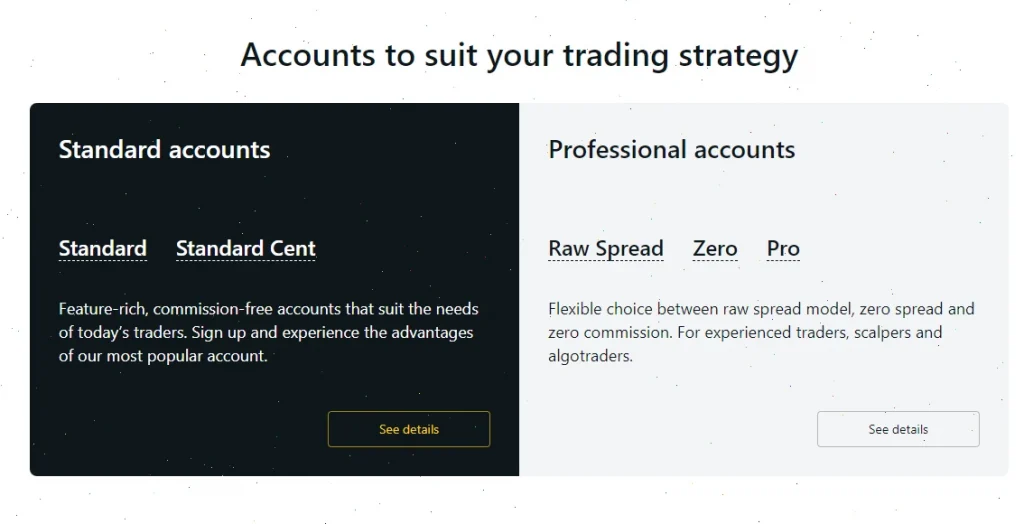
We offer several account types tailored to Hong Kong traders. Standard accounts provide spread-only CFD trading with $10 minimum deposit and retail protections. Futures trading requires Pro or Raw Spread accounts due to commission and margin structures.
Pro accounts feature tighter spreads plus commissions of $3.50 per lot round-turn for forex CFDs. Raw Spread accounts provide institutional pricing starting at 0.0 pips plus commissions, suited for high-volume traders. Professional clients benefit from increased leverage and fewer restrictions following SFC definitions.
- Standard Account: Spread-only pricing, $10 minimum deposit, retail client protections
- Pro Account: Reduced spreads with commissions, $200 minimum deposit, advanced tools
- Raw Spread Account: Institutional pricing, $200 minimum deposit, direct market access
- Professional Account: Maximum leverage, reduced restrictions, $500 minimum deposit
Account Opening Procedures
Verification requires Hong Kong ID, recent utility bills, or bank statements. We complete checks within 24 hours for Hong Kong residents. Our multilingual support team offers assistance in Cantonese, Mandarin, and English via live chat, email, and phone. Pro and Raw Spread clients receive dedicated account managers.
❓ FAQ
What is the difference between CFDs and futures on Exness in Hong Kong?
CFDs offer flexible contract sizes, no expiration, and OTC trading with leverage up to 1:2000. Futures have standardized sizes, fixed expiry, and trade on regulated exchanges with specific margin requirements.
How can I manage risk effectively using Exness trading platforms?
Use stop-loss, take-profit, trailing stops, and position sizing calculators integrated within our platforms. Guaranteed stop-loss orders add protection against gaps, while real-time margin monitoring prevents over-leveraging.
What are the trading hours for CFDs and futures in Hong Kong?
CFD forex markets run 24/5 Hong Kong time, while stock and commodity CFDs follow underlying market sessions. Futures trading hours depend on exchange schedules, with major futures available nearly 24 hours on CME Globex.